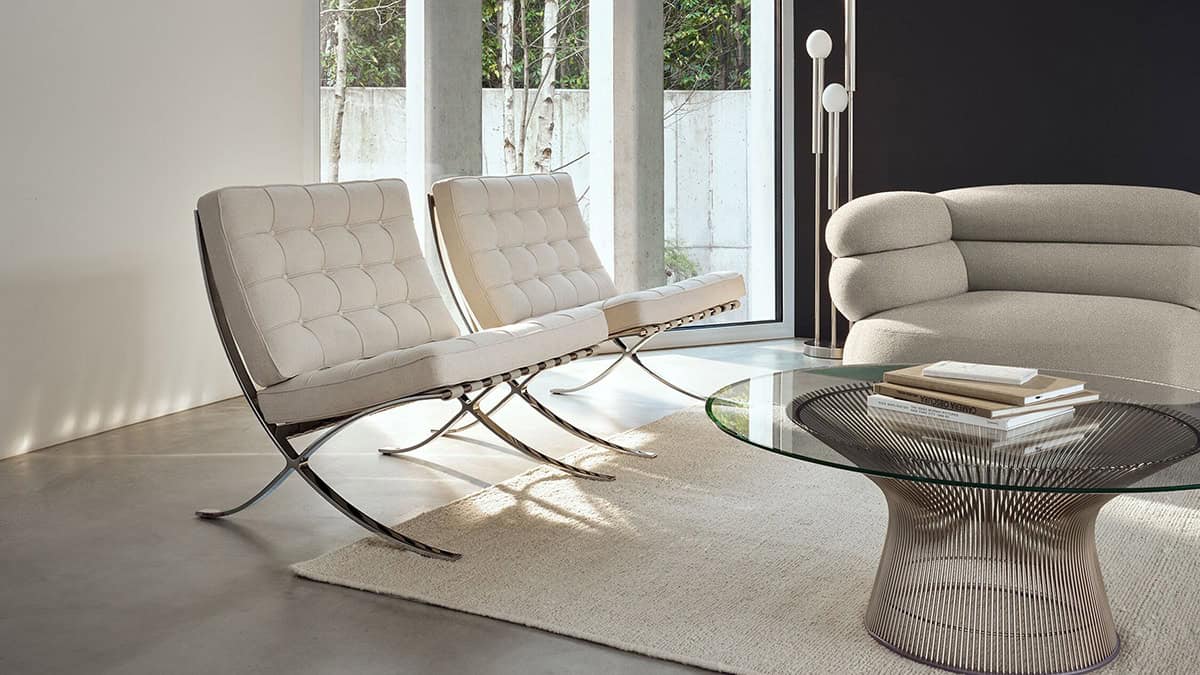
Barcelona Chair
“Architecture is a language; when you are very good you can be a poet.”
– Ludwig Mies van der Rohe
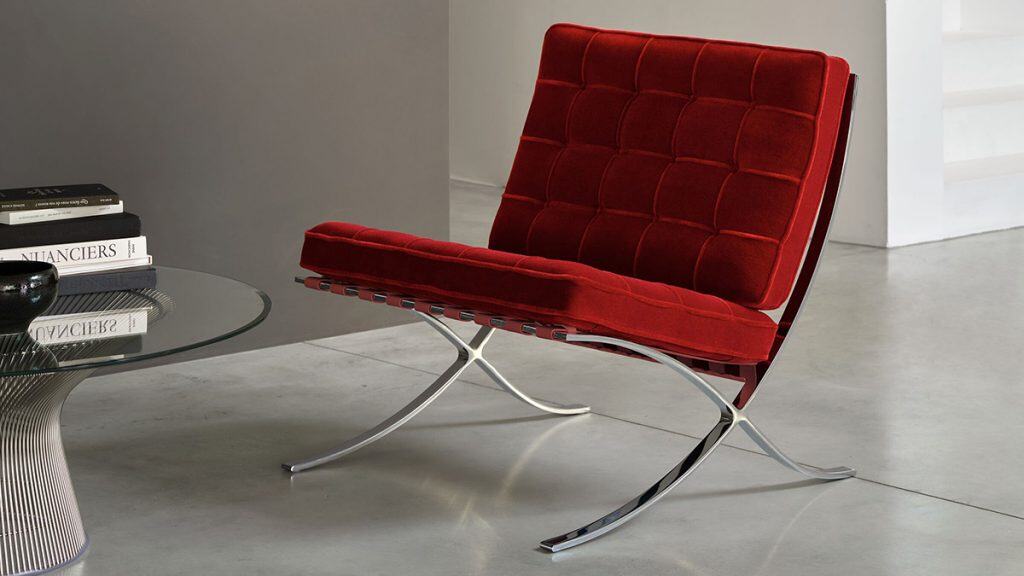
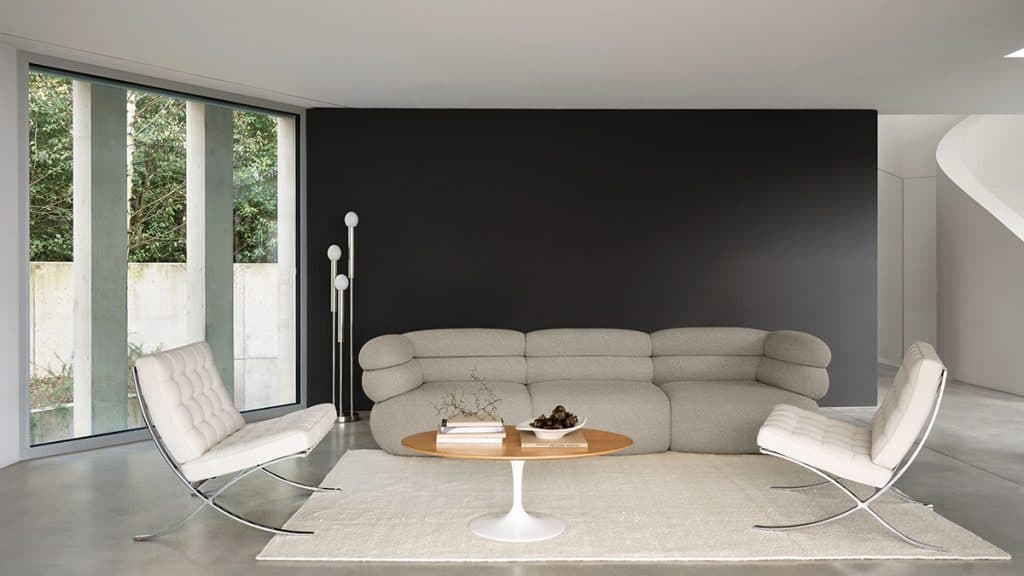
The Barcelona Chair
Designed in 1929, the Barcelona Chair exudes a simple elegance that epitomizes Ludwig Mies van der Rohe’s famous maxim: “Less is more.”
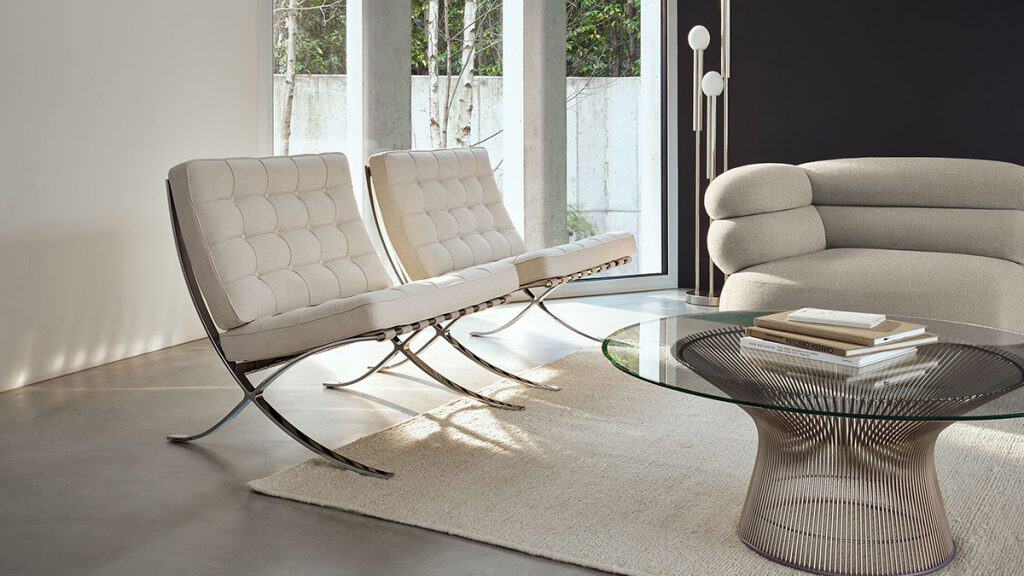
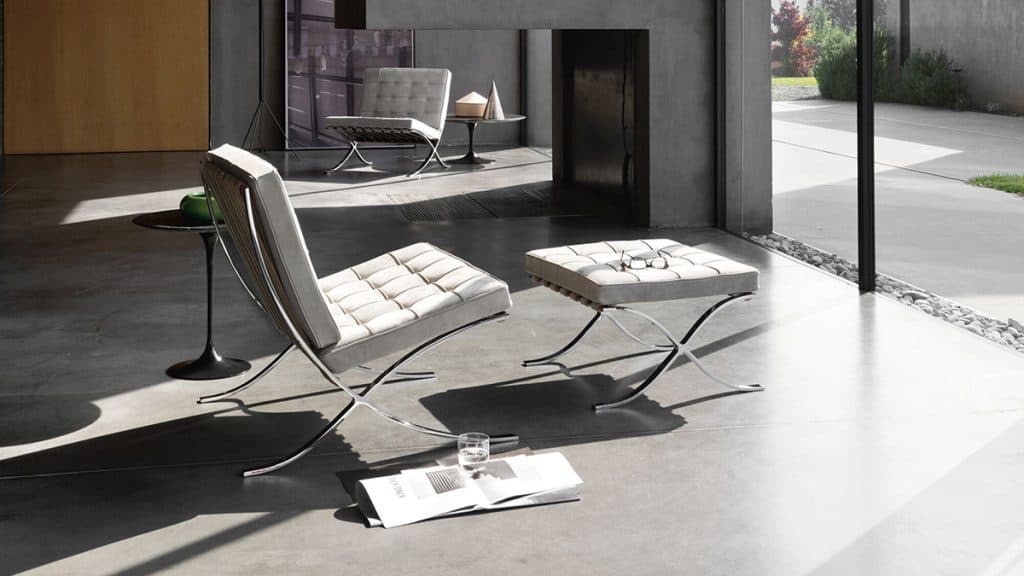
As a rising figure of the modernist movement, Ludwig Mies van der Rohe was selected to design the German Pavilion for the 1929 International Exposition in Barcelona. Inside, Mies included chairs and stools conceived as a resting place for the King and Queen of Spain. Determined to create a chair worthy of royalty, Mies is thought to have based its crisscross frame on the campaign chairs of Ancient Rome. “I feel that it must be possible to harmonize the old and new in our civilization,” Mies said.
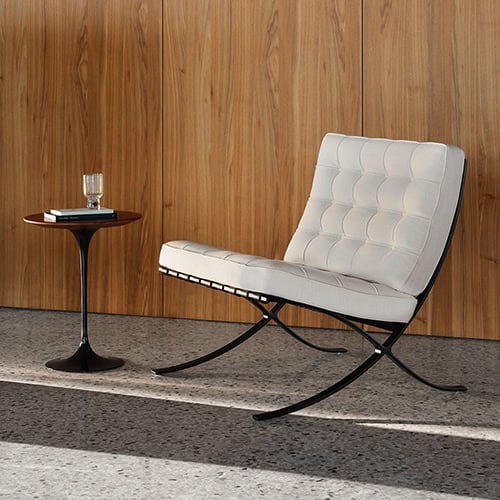
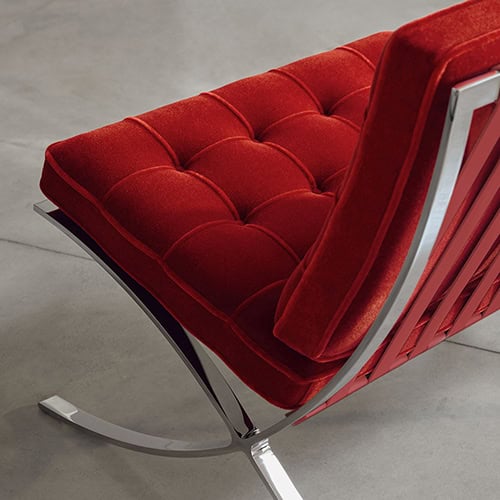
Although the Barcelona Pavilion stood for only seven months, it is recognized as a defining achievement of modern architecture, as is the Barcelona Chair. From the grace of the architectural frame to the individual upholstery squares expertly welted by hand, each Barcelona Chair is a tribute to the marriage of modern design and exceptional craftsmanship.
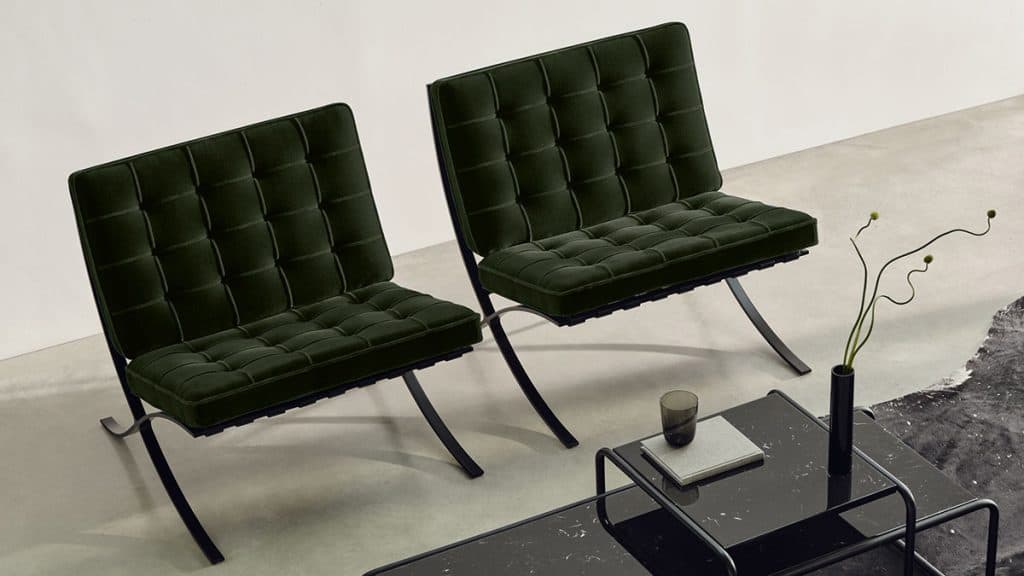
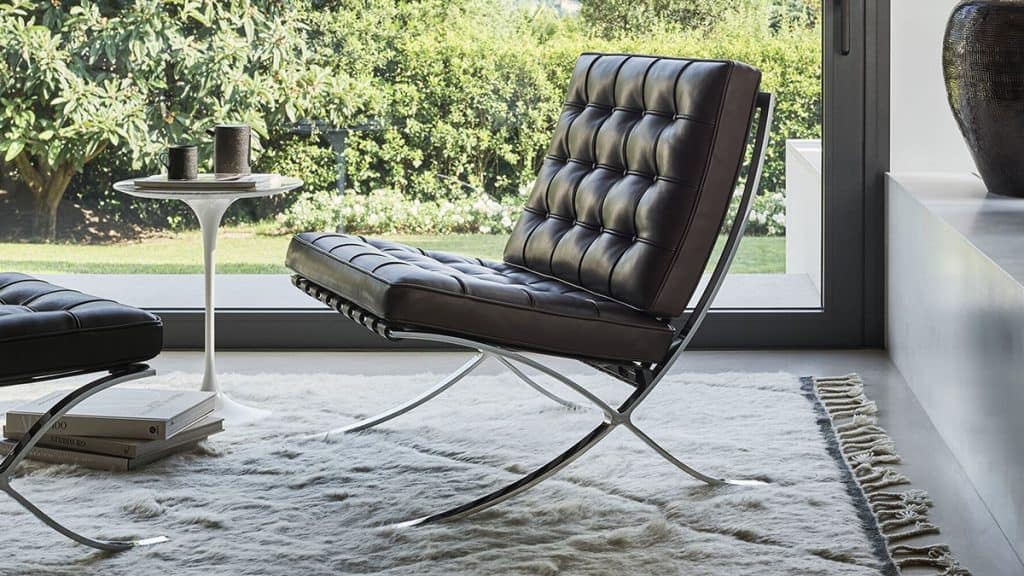
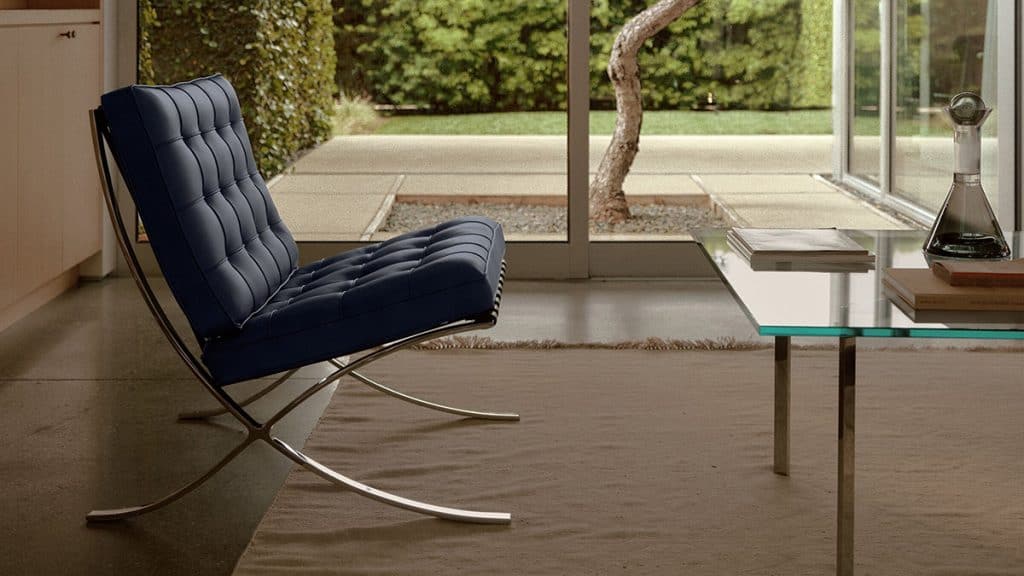

Mies, a close friend and mentor to Florence Knoll during her time at the Illinois Institute of Technology, formally granted Knoll the production rights to the Barcelona Collection in 1953. The pieces became a signature of the Knoll brand and have been built to Mies van der Rohe’s exacting standards ever since.
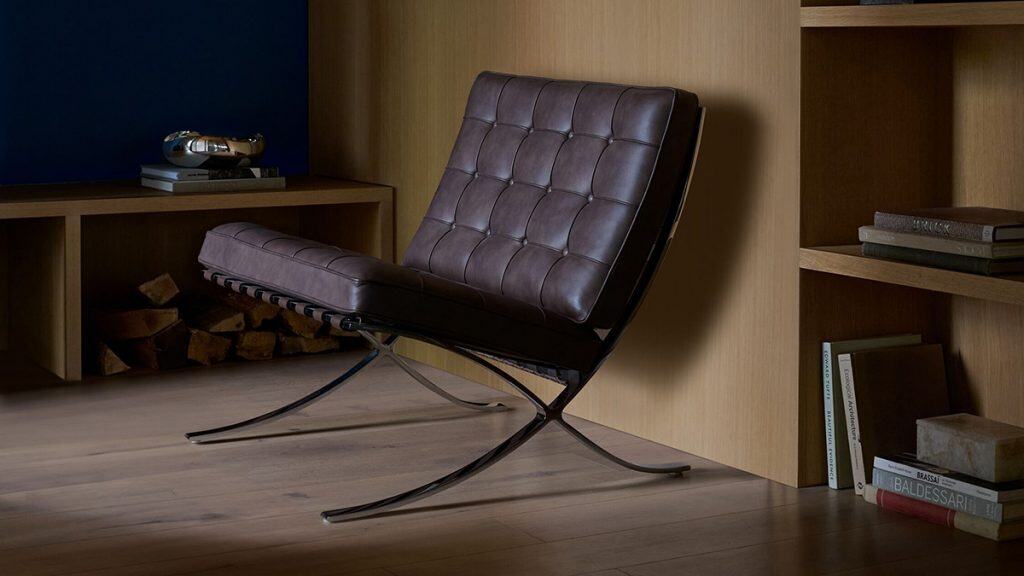

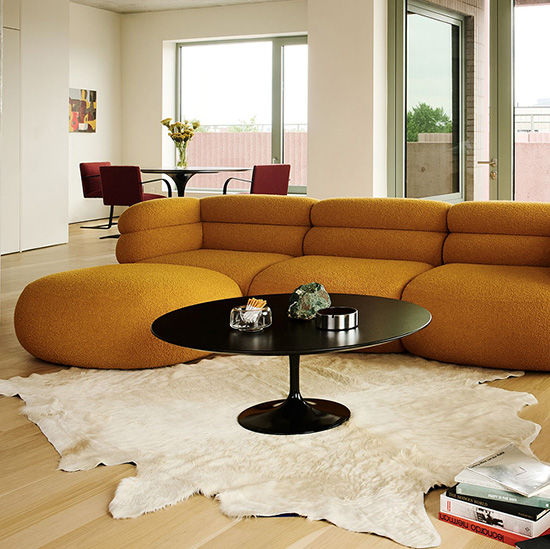
In 2025, Knoll consulted with several Mies scholars and learned that the architect had no rule about limiting this collection to leather. As a result, a curated selection of textiles is now available on the Barcelona Chair. A new frame finish—ultra-matte onyx—has also been added.
About the designer
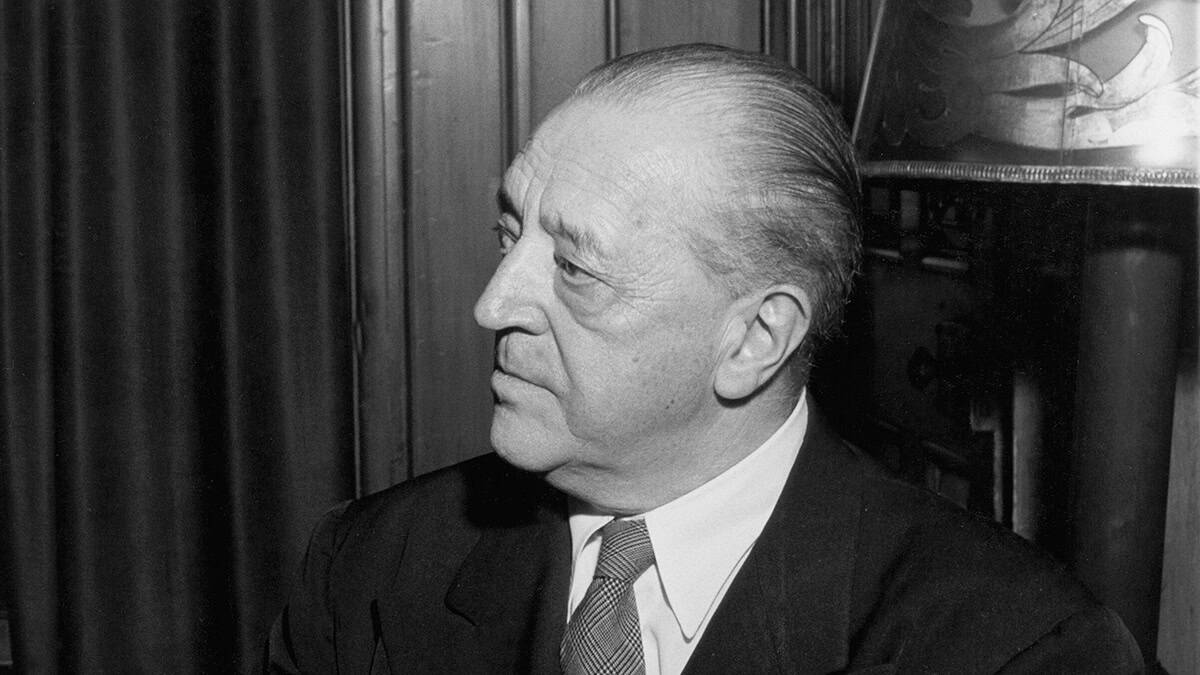
A hugely influential figure in design history, Ludwig Mies van der Rohe brought a less-is-more approach to everything he designed, from furniture to skyscrapers. He taught at the Bauhaus and Illinois Institute of Technology (IIT), and was a trusted mentor to Florence Knoll. Mies’ buildings—including the Villa Tugendhat in Brno, Czechia; Neue Nationalgalerie In Berlin, Germany; Seagram Building in New York, USA; and Farnsworth House in Illinois, USA—changed the face of modern architecture.